UNDERSTANDING SIKKIM
Why Sikkim Feels Unlike Anywhere Else in India
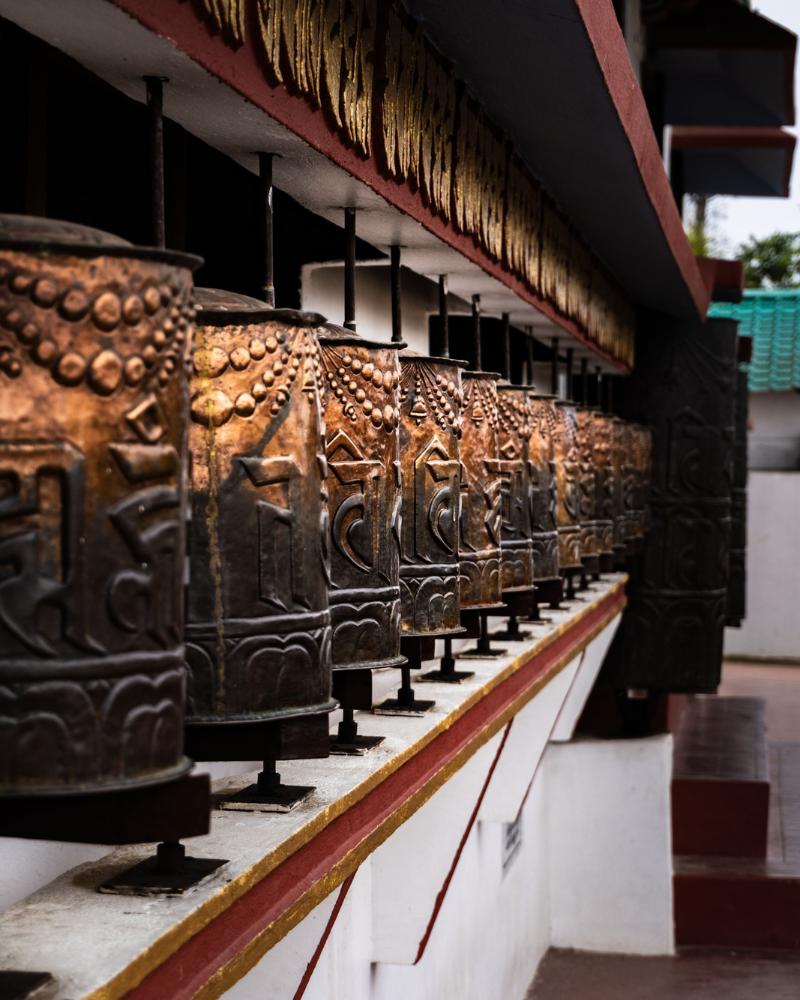
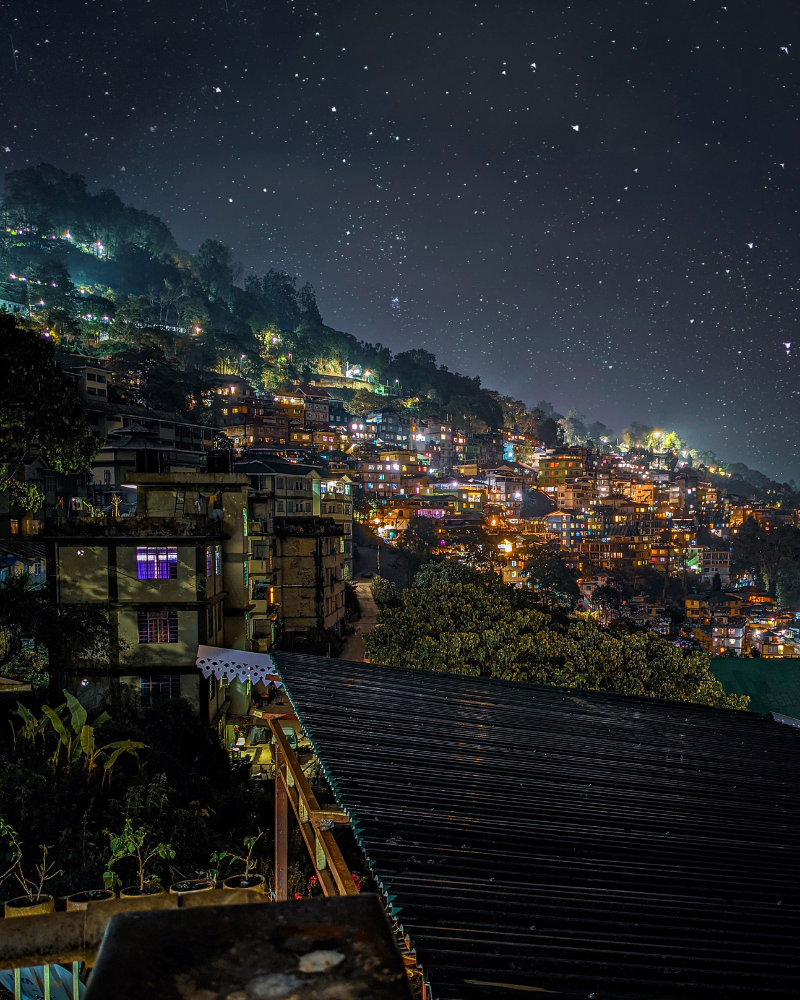
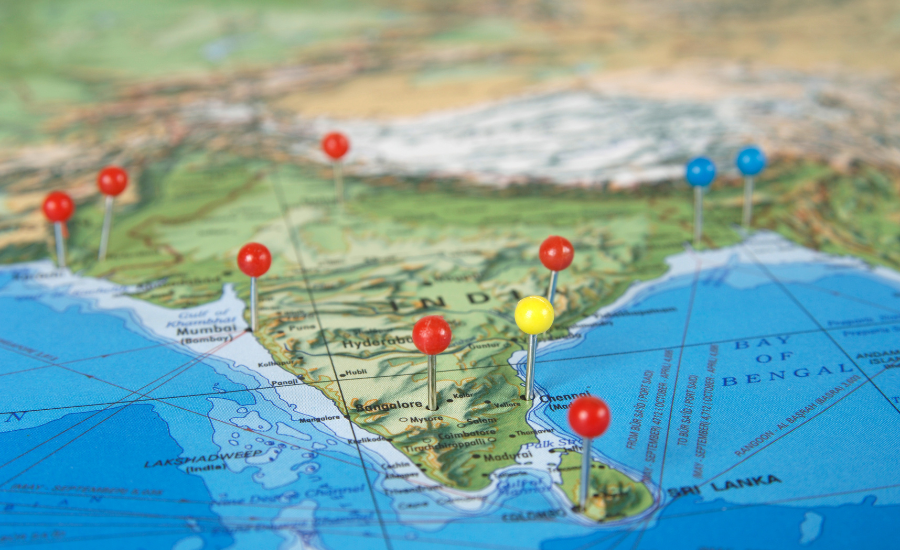
Sikkim doesn’t behave like the rest of India, and that’s precisely its appeal. Tucked between Nepal, Bhutan, and the Tibetan plateau, this former independent kingdom only merged with India in 1975, and traces of that distinct identity remain everywhere — in the Buddhist monasteries dotting hillsides, the Tibetan and Nepali influences in food and language, and a landscape that shifts from subtropical forest to alpine tundra within a single day’s drive. Gangtok, the capital, sits as a modern, orderly hill town that serves as the gateway to everything else Sikkim offers, while the real draw lies further north and east, where roads climb toward glacial lakes and mountain passes that brush up against the Chinese border.
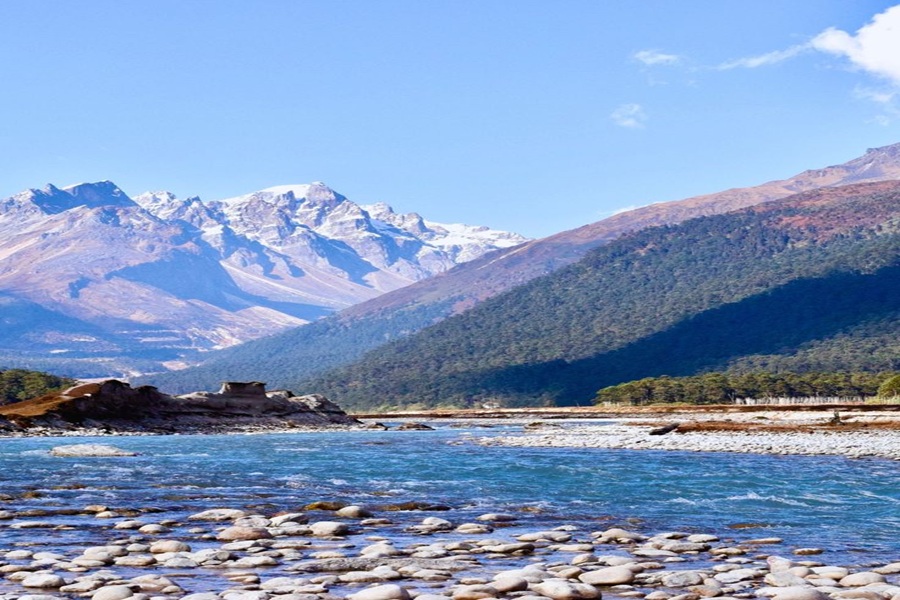
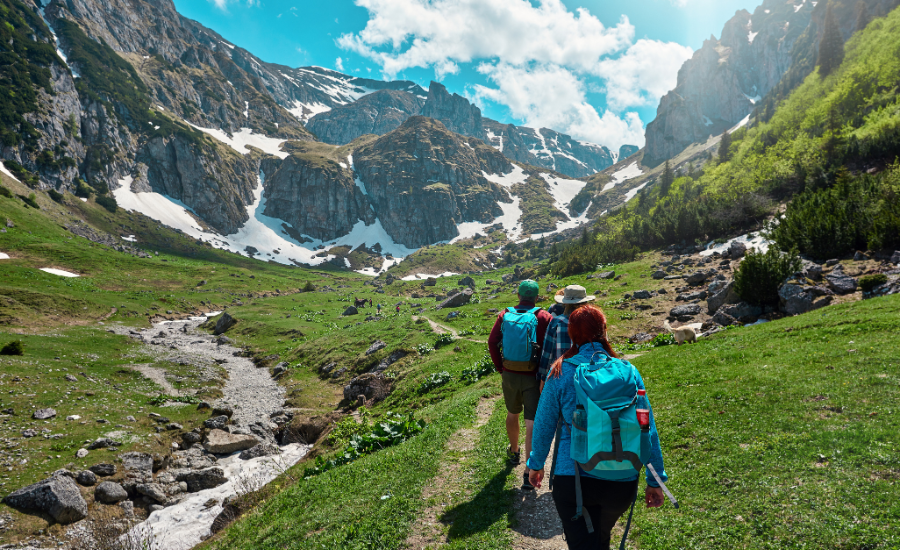
This is not a destination for travelers seeking five-star convenience at every turn; permits, altitude, and unpredictable mountain weather are part of the experience here. What Sikkim rewards instead is patience and a genuine interest in remote landscapes — the turquoise stillness of Tsomgo Lake, the stark military presence and panoramic views at Nathula Pass, and the wildflower-covered slopes of Yumthang Valley in spring. Travelers drawn to offbeat Himalayan experiences, rather than crowded hill station circuits, consistently rank Sikkim among the most rewarding trips in the entire Northeast.