
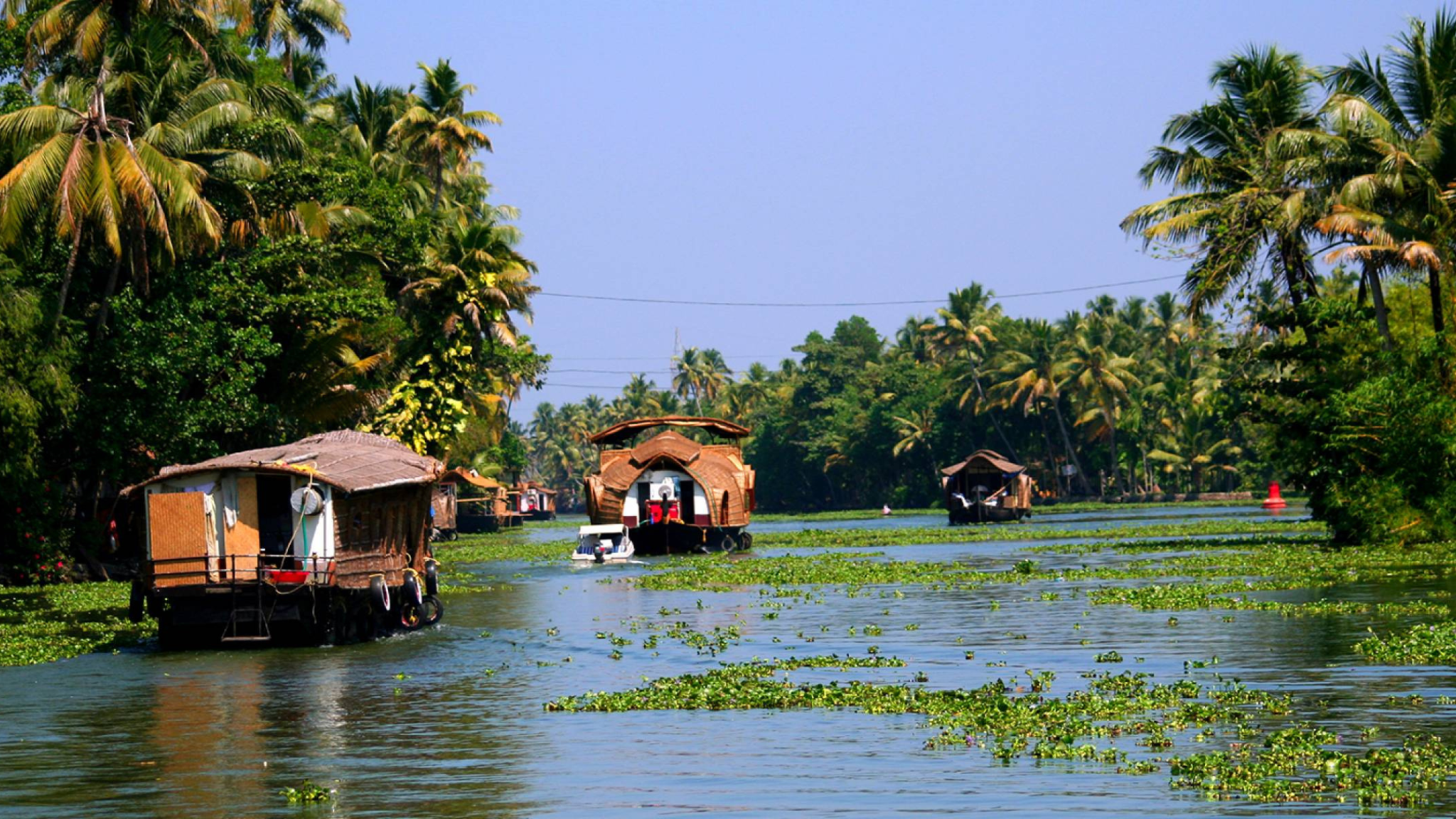
There is a particular kind of traveler who books a Kerala trip in 6 days thinking it will be a relaxing holiday and comes back genuinely surprised by how much the state got under their skin. Kerala does that. It is one of those rare destinations that works on multiple levels simultaneously, visually extraordinary, culturally layered, culinarily exceptional, and paced in a way that feels genuinely restorative rather than just another ticked destination. A 6-day Kerala itinerary is long enough to experience the state’s three most distinct landscapes — the misty tea hills of Munnar, the palm-fringed backwaters of Alleppey, and the colonial coastal character of Kochi, without rushing through any of them. This guide is built around making those six days count, with honest advice on routing, timing, where to stay, and the decisions that separate a good Kerala trip from a genuinely memorable one.
Why Kerala Works Differently From Other Indian Destinations
Before getting into the day-by-day itinerary, it helps to understand what makes Kerala in 6 days a different kind of planning challenge compared to most other Indian destinations.
Kerala is a narrow coastal state, roughly 580 kilometres long and never more than 120 kilometres wide, which means distances between destinations are shorter than they appear on a map. Munnar to Alleppey takes roughly 4 to 5 hours by road. Alleppey to Kochi takes just over an hour. This geographic compactness is what makes a 6-day Kerala trip genuinely workable; you spend far less time in transit than equivalent multi-destination trips elsewhere in India.
The flip side is that Kerala’s narrow geography means road travel often runs along winding hill roads or coastal routes where distances look short on paper but take longer than expected on the ground. Building realistic transfer times into the itinerary rather than assuming GPS estimates are accurate is one of the most practical things any Kerala traveler can do in the planning stage.
Kerala also has a distinct relationship with its seasons. The state receives two monsoon windows, the southwest monsoon from June to August and the northeast monsoon in October and November, which affect different regions differently. Understanding which season you are traveling in shapes which activities and experiences are actually available during your visit.
The Best Time to Do Kerala in 6 Days
October to March is the most reliable window for a 6-day Kerala itinerary covering Munnar, Alleppey, and Kochi. The post-monsoon months of October and November bring lush greenery, full waterfalls, and clear skies across the hill stations, while December through February offers the most settled weather across all three regions simultaneously.
April to May is Kerala’s pre-monsoon summer, warm and humid on the coast but still pleasant in Munnar’s higher elevation. Houseboat bookings on the Alleppey backwaters are available and often at better rates than peak December-January season.
June to September is Kerala’s main monsoon season. Munnar’s waterfalls are extraordinary during this period, and some travelers specifically seek out Kerala in the monsoon for Ayurvedic treatment packages that are traditionally considered most effective during the rainy season. However, certain outdoor activities and backwater routes become limited, so the itinerary needs adjustment for monsoon travel.
Day 1- Arrive in Kochi, First Evening in Fort Kochi
Most Kerala 6-day itineraries either start or end in Kochi since it has Kerala’s main international airport with the best connectivity from major Indian cities and direct international flights from the Gulf region.
Arriving in Kochi on Day 1 and using the afternoon and evening to explore Fort Kochi is the most practical opening to the trip. Fort Kochi is a compact, walkable heritage neighborhood on a peninsula separated from the main city, where Portuguese, Dutch, and British colonial layers sit alongside traditional Kerala architecture in a way that feels genuinely lived-in rather than museum-preserved.
Afternoon in Fort Kochi: The Chinese fishing nets along the waterfront are Kerala’s most photographed image and most atmospheric at sunrise or sunset when the light catches the wooden structures over the water. The narrow lanes of Fort Kochi leading back from the waterfront are lined with colonial-era buildings housing cafes, art galleries, homestays, and spice shops that make for unhurried afternoon wandering.
Evening: Kerala cuisine deserves attention from the very first evening; prawn curry, fish moilee, appam with stew, and the extraordinary range of coconut-based preparations that define the state’s food culture are best experienced at a proper Kerala restaurant rather than a tourist-facing menu. Fort Kochi has several excellent options in this category.
Where to stay in Kochi: Fort Kochi has some of Kerala’s most characterful accommodation, colonial bungalow guesthouses, heritage homestays, and boutique properties in restored Portuguese-era buildings. Staying within Fort Kochi rather than in the main city gives immediate access to the neighborhood’s atmosphere and avoids the ferry or bridge crossing that separates it from Ernakulam.
Day 2- Kochi to Munnar
Day 2 involves the trip’s longest single transfer- a roughly 130-kilometre drive from Kochi to Munnar that takes 4 to 5 hours on a winding hill road that climbs from sea level to over 1,600 metres through rubber plantations, cardamom forests, and tea estates.
The drive itself is genuinely scenic and worth treating as part of the experience rather than something to sleep through. The Cheeyappara and Valara waterfalls visible from the roadside around the 60-kilometre mark make good stopping points, and the point where the road enters the tea estate belt, and the landscape shifts entirely from tropical forest to rolling green hillsides, is one of the most dramatic landscape transitions in South India.
Arrive in Munnar by early afternoon and use the remaining daylight for a first orientation around the small town and a visit to a nearby viewpoint. Munnar’s town center is compact and not particularly interesting in itself, the appeal lies in what surrounds it, which is best appreciated from a vehicle or on foot through the estate roads that wind through the tea gardens.
Where to stay in Munnar: Munnar’s accommodation ranges from budget guesthouses in the town center to tea estate bungalows and hillside resorts positioned within the tea gardens themselves with panoramic valley views. Estate stays and hillside resorts consistently outperform centrally located hotels for the overall Munnar experience.
Day 3- Full Day Munnar
Munnar rewards a full day of unhurried exploration across its tea estates, viewpoints, and surrounding hills far more than a rushed half-day circuit.
Morning- Tea Museum and Estate Walk: The KDHP Tea Museum near Munnar town gives the best overview of how Darjeeling-equivalent high-altitude tea gets produced in the Western Ghats, with working machinery on display and a tasting session included. An estate walk through the surrounding tea gardens afterward — ideally with a guide from the estate — shows the landscape from ground level rather than just from viewpoints above.
Midday- Mattupetty Dam and Indo-Swiss Farm: Mattupetty Dam, about 13 kilometres from Munnar, sits in a valley with the tea estates rising on either side. The adjacent Indo-Swiss Livestock Project farm is open to visitors and gives a surprisingly interesting break from scenery-focused sightseeing.
Afternoon- Eravikulam National Park: Eravikulam National Park, home to the endangered Nilgiri Tahr mountain goat and some of the best high-altitude grassland scenery in Kerala, is best visited in the afternoon when morning tour groups have cleared. Entry is managed and ticketed, booking in advance during peak season is strongly recommended as daily visitor numbers are capped.
Evening- Echo Point and Tea Garden Sunset: Echo Point, a lake surrounded by tea estates and shola forests, works well as a late afternoon stop before returning to the hotel. Munnar’s evenings get genuinely cool year-round given the altitude, and sitting on a hillside property terrace watching the mist roll in over the tea gardens as the light fades is one of those Kerala moments that photographs cannot quite capture.
Day 4- Munnar to Alleppey via Thekkady Optional Stop
Day 4 offers a routing decision that shapes the rest of the trip.
Option A- Direct Munnar to Alleppey: A roughly 170-kilometre drive taking 4 to 5 hours, arriving in Alleppey in time for a late afternoon check-in to a houseboat for the overnight backwater experience.
Option B- Munnar to Thekkady, then Alleppey: Adding a Thekkady stop extends the day significantly but gives access to the Periyar Tiger Reserve’s morning boat safari, spice plantation visits, and the distinctive landscape of Kerala’s wildlife belt before continuing toward the backwaters. This option works best if departure from Munnar is before 8 AM.
For a Kerala 6-day itinerary where time is the primary constraint, Option A is the more practical choice. Thekkady warrants its own dedicated stay rather than a rushed transit stop, and trying to do both in one day consistently results in arriving at the houseboat too late to properly enjoy the evening on the water.
Houseboat check-in and overnight stay: The Alleppey houseboat experience is the single most iconic Kerala travel activity and the emotional centerpiece of most Kerala trip itineraries. A typical houseboat stay involves checking in around noon, cruising through the backwater canals during the afternoon, watching the sunset over the paddy fields from the boat’s top deck, dining on Kerala fish curry prepared onboard by the boat’s cook, and waking to a quiet morning on the water before checking out the following morning.
Choosing the right houseboat matters more than most travelers realize. The price range between basic and premium houseboats is significant, and the difference in experience, quality of meals, cleanliness of the boat, attitude of the crew, and route taken through the backwaters- is equally significant. Our Kerala tour packages include houseboat bookings with verified operators across budget and premium categories, so travelers know exactly what they are getting before they step on board.
Day 5- Alleppey Backwaters, then Kochi
Houseboat checkout is typically around 9 AM, giving a final morning on the water before the day continues.
Morning- Alleppey town and local backwater villages: After houseboat checkout, Alleppey town itself has a few worthwhile stops — the beach at Alleppey Lighthouse, the old pier, and the network of smaller canals accessible by local ferry or country boat give a ground-level view of backwater life that the houseboat’s main channels do not always show.
Afternoon- Drive to Kochi: The roughly 85 kilometre drive from Alleppey to Kochi takes just over an hour, making it the shortest transfer of the entire 6-day Kerala trip. Arriving in Kochi by early afternoon leaves time for the parts of the city not covered on Day 1.
Afternoon in Kochi- Mattancherry and Jew Town: Mattancherry, adjacent to Fort Kochi, contains the Mattancherry Palace, a Portuguese-built, Dutch-renovated palace with extraordinary Kerala mural paintings covering its interior walls, and Jew Town, a narrow lane lined with antique shops, spice warehouses, and the historic Paradesi Synagogue, one of the oldest active synagogues in the Commonwealth.
Evening- Kathakali performance: Kochi has several cultural centers that run evening Kathakali classical dance performances designed for visitors, with a makeup demonstration beforehand that shows how the elaborate facial costumes are applied over 2 to 3 hours before the performance begins. This is one of the most culturally distinctive Kerala experiences and works particularly well as a final evening activity before the last day.
Day 6- Final Morning in Kochi, Departure
Day 6 is typically a departure day, with the morning’s activities depending on flight timing.
Early departure flights: Head directly to Kochi International Airport, which sits on Willingdon Island between Fort Kochi and Ernakulam and is easily accessible from both sides of the city.
Afternoon or evening departure flights: A final morning walk through Fort Kochi’s waterfront, a last Kerala breakfast of puttu and kadala curry or appam with egg curry at one of the neighborhood’s small local restaurants, and some time in the antique and spice shops make for a relaxed final morning that does not feel like killing time before a flight.
One stop worth adding if time allows: The Kerala Folklore Museum in Ernakulam is one of the most interesting regional museums in South India, a private collection of antique Kerala artifacts housed across three floors of a traditionally constructed building that gives an excellent cultural overview of the state’s history.
Practical Tips for a Kerala 6 Day Trip
Book the houseboat well in advance. Peak season houseboats in Alleppey book up weeks ahead, and last-minute availability is either limited or significantly more expensive than advance bookings.
Carry a light rain jacket regardless of season. Kerala’s weather can produce brief showers even in the dry season, particularly in Munnar’s hills, where afternoon mist and light rain are common year-round.
Eat local at every opportunity. Kerala’s food culture is extraordinary and widely underappreciated by travelers who stick to hotel restaurants. Roadside toddy shops, local lunch hotels serving rice meals on banana leaves, and the fish stalls in Kochi’s market area offer experiences that no tourist-facing restaurant replicates.
Factor in ferry time in Kochi. Getting between Fort Kochi and Ernakulam by public ferry takes 10 to 15 minutes but runs on a schedule rather than on demand. Missing the last ferry of the evening means a significantly longer road route around the backwaters separating the peninsula from the mainland.
Let your accommodation pace the recommendation. Kerala’s best local recommendations- where to eat, which backwater route the houseboat should take, which estate road is worth walking- consistently come from the people running the place you are staying rather than from travel apps. Ask them.
Planning Your Kerala Trip With Travelwingz
A well-planned Kerala in 6 days itinerary delivers one of the most complete and varied travel experiences available anywhere in India within a single week. The challenge is not finding things to do in Kerala; it is making the routing, timing, and booking decisions that let each destination breathe rather than feeling like a checklist being ticked off against the clock.
At Travelwingz, we plan Kerala trips with the same local knowledge and transparent approach we bring to every destination we cover. Houseboat bookings, hill station stays, Kochi heritage accommodation, and the transfers that connect them are all arranged as a complete package with verified operators and no hidden charges throughout.
If you are still comparing Kerala against other destinations for your next trip, our destinations page covers every state we work across, from Rajasthan’s desert heritage to Sikkim’s mountain passes, with the same depth of planning and on-ground knowledge. And if you have specific questions about Kerala travel that this guide did not answer, our FAQ page covers common Kerala and pan-India travel questions in detail.
For a customized Kerala itinerary built around your specific travel dates, group size, and budget, reach out through our contact page and our team will put together a plan that fits what you actually want from your Kerala trip rather than a standard template.
Frequently Asked Questions About Kerala in 6 Days
Q1. Can Travelwingz plan a customized 6-day Kerala itinerary for couples or families?
Yes, Kerala itinerary planning is something we do regularly for couples, families, and groups of all sizes. We build every plan around your specific accommodation preferences, activity interests, and budget rather than a fixed package structure. Couples often want a more romantic routing with premium houseboat and hillside resort stays, while families need practical considerations around travel distances and child-friendly activities built into the schedule. Share your requirements through our travel services page, and we will build a plan around them.
Q2. Is 6 days enough to cover Kerala properly?
Six days is enough to cover Kerala’s three most distinct regions, Munnar’s tea hills, Alleppey’s backwaters, and Kochi’s colonial coastline — in a way that feels genuinely satisfying rather than rushed. Adding Thekkady or Wayanad to the same 6-day window is possible but requires compromising on time at one of the core destinations. Travelers with 8 to 10 days available can comfortably add both without the itinerary feeling compressed.
Q3. When is the best time for a Kerala houseboat experience?
October through March offers the most reliable houseboat weather, settled skies, calm backwater conditions, and pleasant temperatures for spending time on the top deck. The monsoon months from June to August can make houseboat routes rougher and certain canal sections inaccessible due to flooding, though some operators continue running during light monsoon periods with adjusted routes.
Q4. What is the difference between a budget and premium houseboat in Alleppey?
Budget houseboats typically cover basic accommodation with standard meals, older boats with functional rather than aesthetic interiors, and routes through the main backwater channels. Premium houseboats offer newer, better-maintained vessels with air-conditioned bedrooms, higher quality Kerala meals prepared fresh onboard, more attentive crew service, and often access to smaller canal routes away from the busier houseboat traffic. The experience difference between the two categories is meaningful enough that spending a little more on the houseboat is consistently rated as the right call by travelers who have done both.
Q5. Are there good options for solo travelers doing Kerala in 6 days?
Yes, Kerala is one of India’s more solo-travel-friendly destinations, with a well-established tourism infrastructure, generally safe travel environment, and accommodation options across every budget category in all three major destinations on this itinerary. The main consideration for solo houseboat travelers is that full houseboat bookings are priced for groups rather than individuals; solo travelers typically join shared houseboat experiences or book smaller single-cabin boats to keep costs manageable. Read more solo travel tips across India on our travel blog for destination-specific guidance.