THE DARJEELING STORY
Why a Small Hill Town in West Bengal Became a Travel Icon
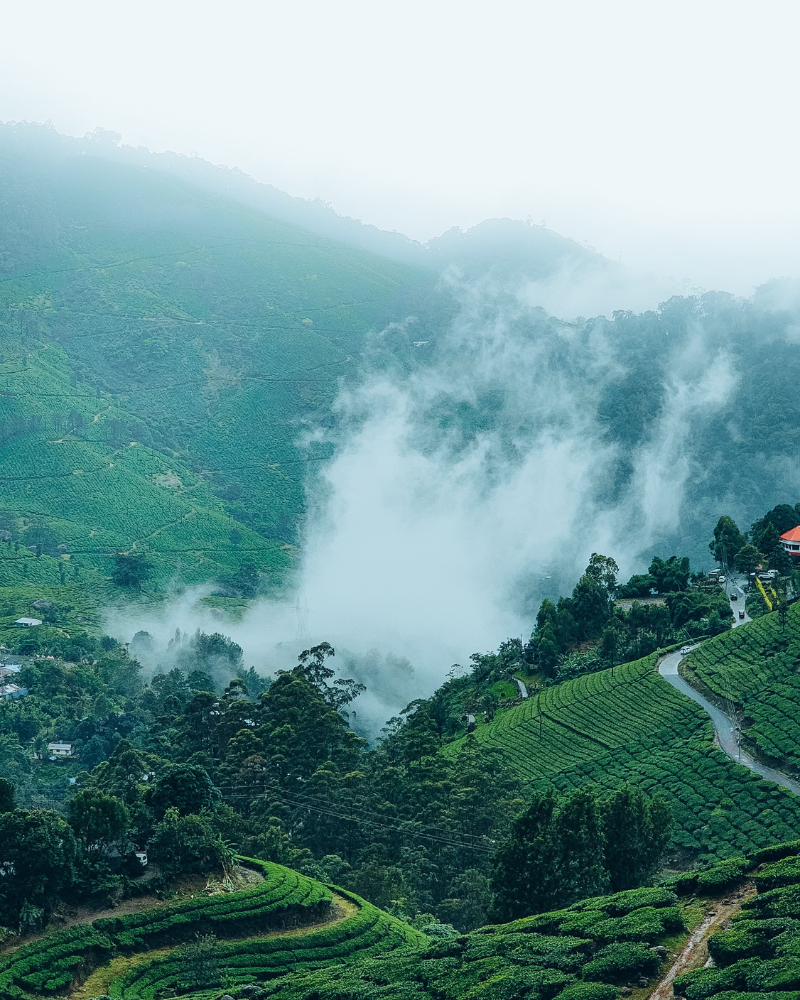
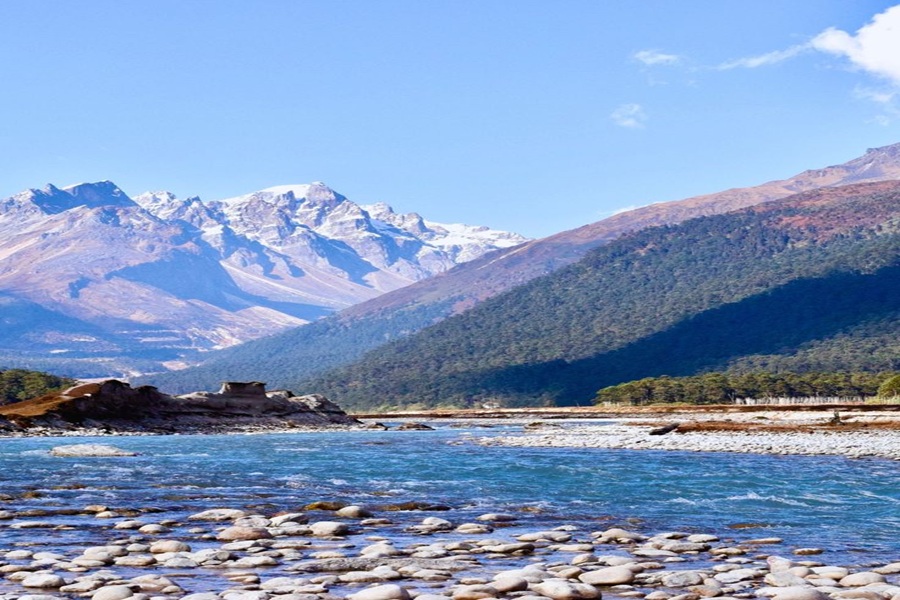
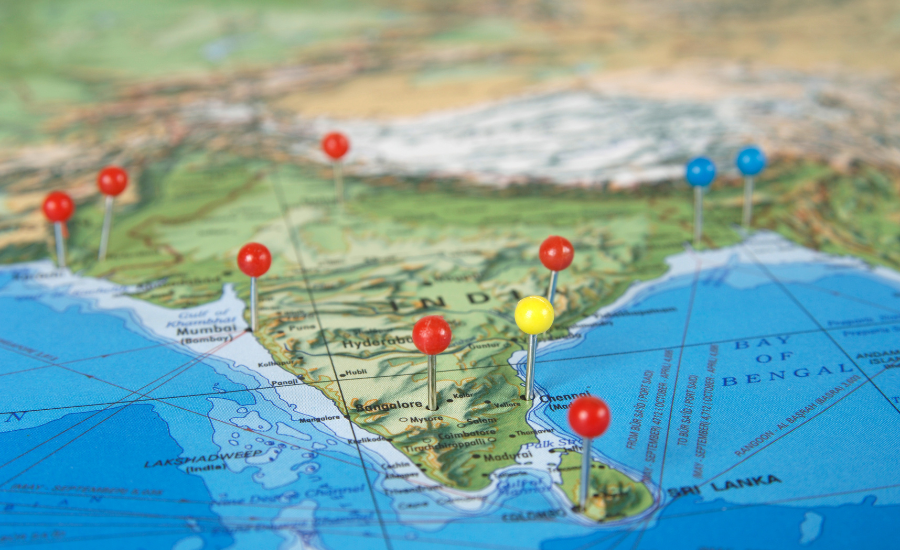
Darjeeling occupies an unusual spot in India’s travel map — a hill town small enough to walk across in an afternoon, yet famous enough worldwide to have its name printed on tea boxes sold continents away. Perched in the Himalayan foothills of West Bengal, it built its reputation during British colonial rule as a summer retreat, and that legacy still shows in its old stone buildings, churches, and the slow rhythm of life along its steep, winding lanes. What makes it genuinely remarkable, though, is what surrounds the town itself: terraced tea gardens cascading down hillsides for as far as the eye can see, and on clear mornings, an uninterrupted view of Kanchenjunga, the world’s third-highest peak, glowing pink and gold at sunrise.
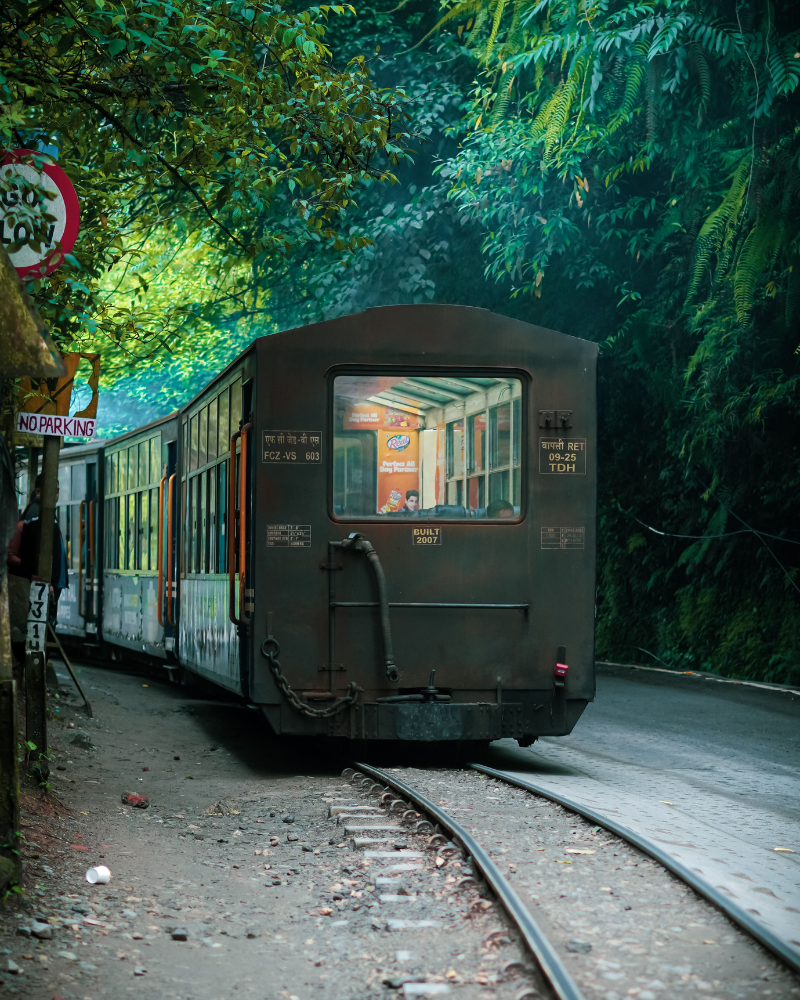
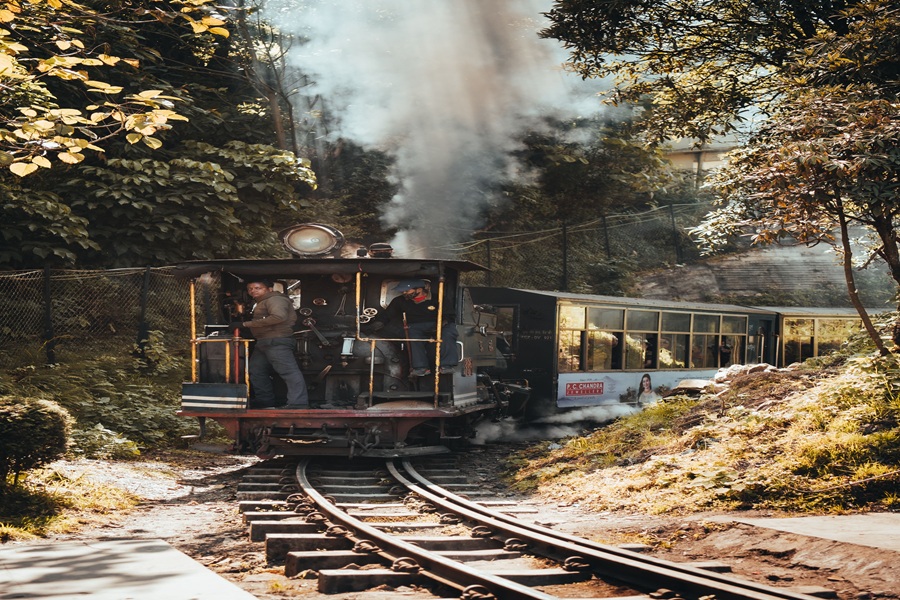
This combination of colonial charm, tea heritage, and Himalayan scenery draws a fairly specific kind of traveler. Tea enthusiasts come specifically to walk through working estates and understand how Darjeeling tea, often called the champagne of teas, actually gets made. Photography lovers plan entire trips around the Tiger Hill sunrise. Train enthusiasts make a special trip just to ride the UNESCO-listed Darjeeling Himalayan Railway, still pulled by steam locomotives on certain routes. And couples and families simply enjoy the unhurried pace of Mall Road in the evenings, away from the noise of bigger hill stations.